Childhood Obesity: What Every Parent Should Know
In today’s fast-paced, screen-filled world, more children are gaining excess weight than ever before. Childhood obesity has become a serious health concern—not just because of how it affects a child’s appearance, but because it can lead to long-term physical and emotional challenges. As a parent, you might find yourself asking: Is my child just a little chubby, or should I be worried? If that question is on your mind, you’re not alone.
This blog is written with you in mind—to help you understand what childhood obesity is, how to spot the signs, what causes it, and most importantly, how to prevent it. The goal is not to alarm you, but to guide you with trusted, clear, and actionable advice that puts your child’s well-being first.
Table of Contents
ToggleWhat is Childhood Obesity?
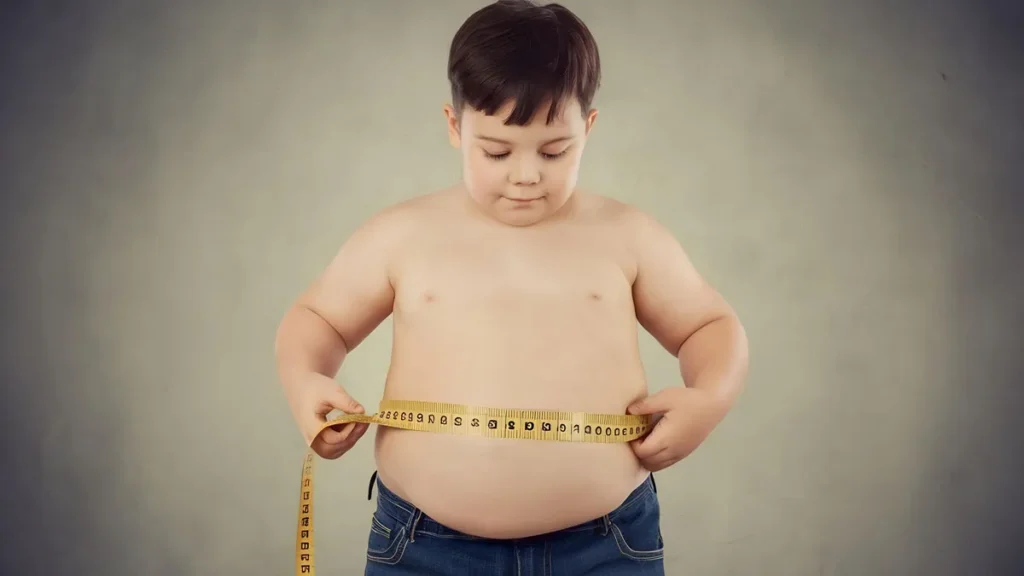
Childhood obesity means that a child is carrying too much body fat for their age and height. It’s more than just a few extra kilos—it’s a medical condition that can affect how a child feels, moves, eats, and grows. Doctors usually determine this using a growth chart that measures Body Mass Index (BMI) for children. If a child’s BMI is much higher than what’s expected for their age and gender, they may be classified as obese.
But beyond the numbers, childhood obesity often shows up in ways parents can see and sense—sluggishness, low confidence, or even teasing from other kids.
Symptoms of Childhood Obesity
Recognizing the symptoms of childhood obesity early is key to taking helpful action. Here are some signs to look out for:
- Noticeable weight gain not related to growth spurts
- Clothes getting tight too quickly
- Shortness of breath during mild activity
- Fatigue or lack of interest in physical play
- Joint pain or discomfort
- Stretch marks on the skin
- Increased sweating
- Emotional changes like low self-esteem, sadness, or anxiety
If you notice more than one of these signs, it might be time to explore the root causes more deeply.
Common Causes of Childhood Obesity
Childhood obesity rarely happens overnight. It usually develops over time, influenced by a mix of habits, environment, and genetics. Some of the main causes of childhood obesity include:
1. Unhealthy Eating Habits
Fast food, sugary snacks, aerated drinks, and oversized portions are now a part of many children’s regular diet. These foods are high in calories but low in nutrients.
2. Lack of Physical Activity
With increasing screen time—TV, tablets, mobile games—children are spending less time playing outside or being active. Less movement means fewer calories burned.
3. Family Lifestyle
Children often mirror their parents. If the household has unhealthy eating or sedentary habits, kids are likely to follow the same pattern.
4. Emotional Factors
Some children eat more when they are stressed, bored, or upset. Food becomes a comfort, not just nutrition.
5. Medical or Genetic Conditions
Though rare, some children may gain weight due to hormonal imbalances or genetic disorders. In such cases, a pediatrician can guide further testing and care.
Prevention Tips for Parents
The good news? Childhood obesity is preventable, and small changes made consistently at home can make a big difference. Here are some daily habits that support healthy growth:
Make Healthy Eating a Family Routine
- Offer fruits, vegetables, whole grains, and homemade meals.
- Limit sugary drinks—encourage water instead.
- Keep healthy snacks accessible and cut down on junk food.
- Don’t use food as a reward or punishment.
Encourage Daily Physical Activity
- Aim for at least 1 hour of active play every day—walking, cycling, dancing, or any sport.
- Limit screen time to 1–2 hours a day (excluding schoolwork).
- Join your child in physical activities—it becomes fun and bonding time too!
Prioritize Good Sleep
Children who sleep less tend to snack more and gain weight easily. Ensure your child gets age-appropriate sleep each night.
Talk Openly and Kindly
Avoid shaming or teasing about weight. Focus on health, energy, and feeling good rather than numbers on a scale.
When to See a Pediatrician & How They Help
It’s completely okay to feel unsure or even a bit guilty when dealing with childhood obesity—but you don’t have to do this alone. A pediatrician is your child’s health partner. They can:
- Track growth and identify if your child is overweight or obese
- Rule out any underlying medical issues
- Create a personalized nutrition and activity plan
- Monitor progress and keep things on track without pressure
If you’re in the Tricity area, a visit to a Pediatrician in Chandigarh at Hale Clinics can provide both medical insight and emotional support to help your child thrive—physically and mentally.
Conclusion: Every Step Matters
Childhood obesity is not about blame—it’s about awareness, guidance, and consistent care. As a parent, your influence is powerful. By making thoughtful lifestyle choices at home and seeking professional help when needed, you’re giving your child the best chance at a healthy, happy life.
At Hale Clinics, our pediatric team understands the challenges of modern parenting. We approach each case with compassion, clarity, and solutions tailored to your child’s needs. If you’re looking for a Pediatrician in Chandigarh who truly listens and helps you navigate your child’s health journey, we’re here to support you every step of the way.