
Wildlife/Eco Tourism
Wildlife/Eco Tourism can simply be defined as responsible travel to natural areas that conserves the environment and improves the well-being of local people.
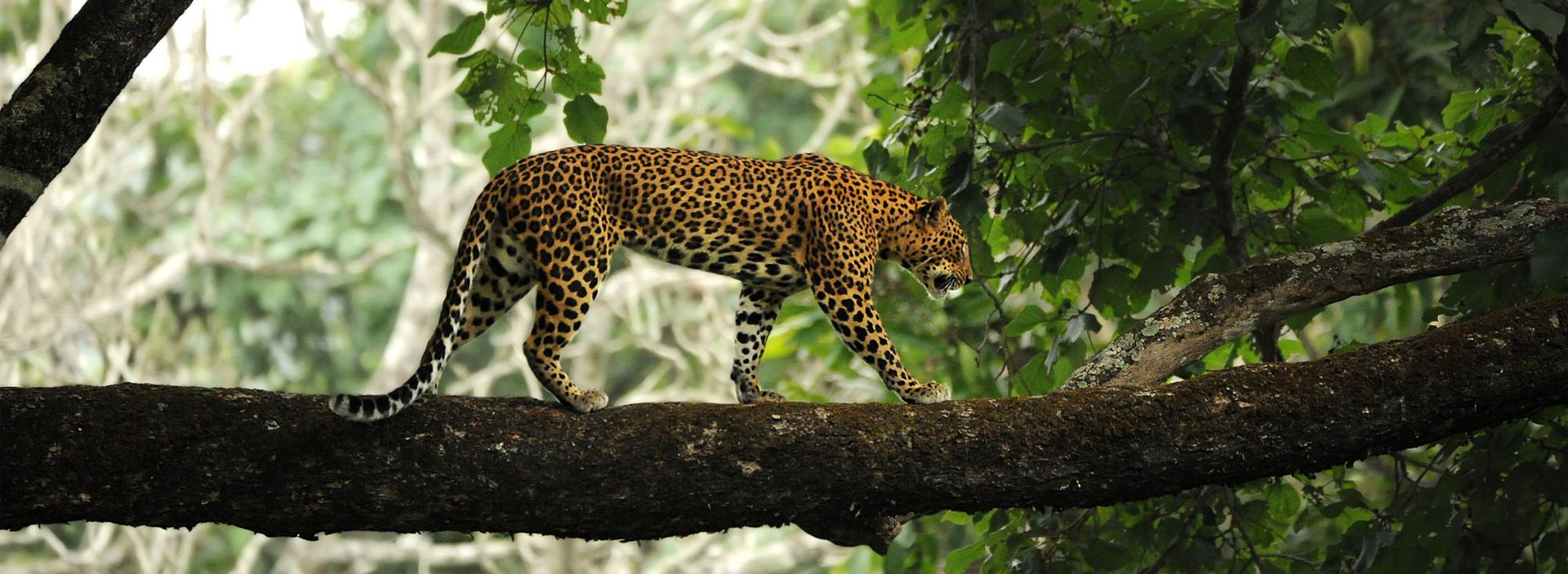
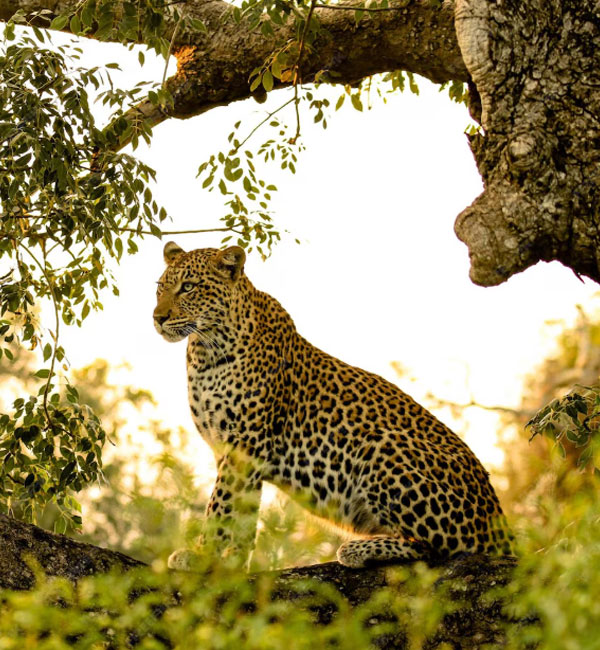
India has a significant geographical advantage owing to its rich natural & Eco-tourism resources that includes, but is not limited to, 70.0% of the Himalayas, a 7,000 km of coastline, both hot and cold deserts, a 10th in total area under forest cover and its current rank (6th) in terms of the number of recognized UNESCO Natural Heritage sites. There are 53 tiger reserves in India which is home to 75.0% of tiger population in the world. The Government of India has taken a sustained initiative for conserving the tiger, which is India’s national animal, by launching the flagship ‘Project Tiger’ in 1973. Owing to its rich biodiversity the Wildlife and eco-tourism sectors are an effective tool for conservation of forests, biodiversity/ wildlife and scenic landscapes. The natural attractions in India are almost unrivalled in the world, ranging from pristine forests, the snow-clad Himalayas, montane grasslands, deserts, rivers and lakes, wetlands and mangroves, beaches, volcanoes and corals, housing tremendous biodiversity. Besides, we have the mega-fauna consisting of iconic species such as tigers, lions, elephants, rhinos, leopards, wild buffaloes etc. and more than 1,200 recorded species of birds. Wildlife and Eco-tourism is an important source for creating sustainable alternative livelihoods for forest-dependent communities and by generating conservation awareness. Further the sector plays a pivotal role in management of its forests thereby generating a sustainable flow of non-extractive financial benefits of forests for the local communities. Apart from its conservation and economic value, public interest in nature-based rest, relaxation and recreation and Ecotourism led developments is fast increasing. The Ministry of Tourism has also drafted a National Strategy on Sustainable Tourism which focuses on promoting environmental sustainability, protecting biodiversity, promoting economic sustainability and promoting socio-cultural sustainability. The strategy aims to mainstream sustainability into the tourism sector.