What is Endometriosis: Causes, Symptoms, and Diagnosis
Sometimes, girls and women feel a lot of pain during their periods. This is more than regular cramps—it can be so bad that it’s hard to go to school, work, or even do everyday things. One reason for this pain might be something called endometriosis.
Not many people talk about it, but millions of women have it. Some don’t even know they have it until it becomes worse. Let’s learn what endometriosis is, what causes it, what the symptoms are, and how doctors find it out.
Table of Contents
ToggleWhat Is Endometriosis?
Endometriosis is a health problem where tissue that usually grows inside the uterus during periods starts growing outside the uterus, like on the ovaries, fallopian tubes, or even on the bladder or intestines.
This tissue still behaves like normal—it thickens, breaks down, and bleeds every month—but since it’s in the wrong place, it can’t leave the body. So it gets stuck and causes swelling, pain, and sometimes scar tissue that makes organs stick together.
Even though we can’t see it from the outside, it’s a real condition that can make daily life very hard. But the good news is—doctors can help!
What Causes Endometriosis?
Doctors and scientists are still learning about what causes endometriosis. It’s a bit of a mystery, but here are some of the most common ideas:
1. Period Flow Going Backwards
Usually, period blood flows out of the body. But sometimes it flows backwards into the body through the fallopian tubes. This blood has uterus tissue in it, and that tissue can stick to other places and start growing there.
2. Family History
If someone in your family—like your mom, aunt, or sister—has had endometriosis, you might have a higher chance of getting it too. It doesn’t mean you will definitely get it, but it’s good to be aware.
3. Weak Immune System
The immune system protects our body from sickness. If it isn’t working properly, it might not clear away the tissue that’s growing where it shouldn’t, which leads to endometriosis.
4. Hormones
Hormones are body chemicals that control many things. A hormone called estrogen can make this tissue grow more. Some treatments work by lowering this hormone to slow things down.
Symptoms of Endometriosis
Endometriosis can feel different for different people. Some may feel pain all the time, while others might only feel it during their periods. These are some of the most common symptoms:
- Very painful period cramps that don’t go away with regular pain medicine
- Pain in the lower belly or back
- Pain while peeing or going to the toilet during your period
- Pain during activities like exercise or sitting too long
- Heavy bleeding or bleeding between periodsFeeling tired all the time
- Bloating, nausea, or stomach trouble
- Trouble getting pregnant (usually in adults)
If you or someone you know has these symptoms often, it’s important to get it checked by a doctor
Helpful Tips to Manage Endometriosis
Endometriosis can’t be fully cured yet, but there are many ways to manage the pain and feel better.
1. Take the Right Medicine
Doctors may give painkillers like ibuprofen, or hormone pills to stop the tissue from growing. Always take medicine the way your doctor tells you.
2. Do Light Exercise
Gentle movement like walking, stretching, or yoga can help reduce pain. It also helps your mind feel better and less stressed.
3. Use Heat
Putting a heating pad or hot water bottle on your tummy or back can help with cramps. Taking a warm bath can also relax your muscles.
4. Eat Healthy
Eating healthy foods like fruits, veggies, whole grains, and fish can help some people feel better. Try to avoid too much junk food, sugar, or processed snacks.
5. Get Good Sleep
Your body needs rest to fight pain. Try to sleep 8–9 hours every night. Turn off screens before bed and keep your room quiet and dark.
6. Talk About It
Dealing with pain can be stressful. It’s okay to feel upset. Talk to someone you trust—like a parent, teacher, school counselor, or friend. You’re not alone.
7. Keep Track
Write down your pain, periods, and how you feel each day. This will help your doctor understand what’s happening and choose the best treatment for you.
When Should You See a Gynecologist?
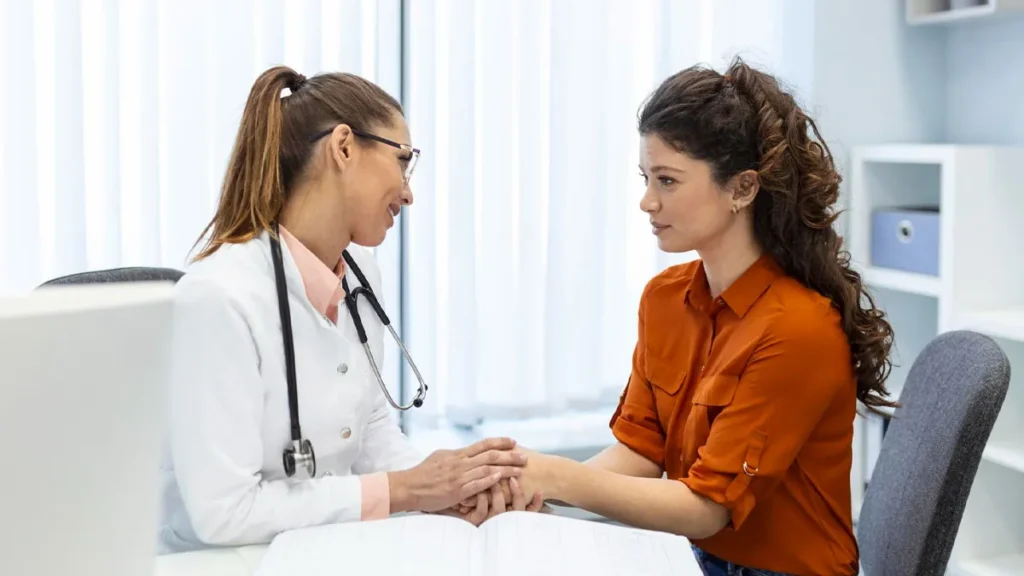
If someone has very painful periods, pain in the lower belly, or other signs like heavy bleeding or tiredness that won’t go away, they should talk to a gynecologist. A gynecologist is a doctor who helps with women’s health, like periods, ovaries, and the uterus. They can:
- Ask questions about your periods and pain to understand what you’re going through
- Gently check your belly to see if there’s any pain or swelling
- Use tests like ultrasound to look inside your body
- Sometimes suggest a small surgery called laparoscopy to find out for sure
Getting help early can really make a big difference and help you feel better faster. Don’t be shy, your health matters!
Final Thoughts
Endometriosis is more than just “bad period pain.” It’s a real health problem that needs care and attention. But the good news is, you can get help. The earlier you talk to a doctor, the sooner you can feel better. If your period pain feels too strong or doesn’t go away, don’t keep quiet. Talk to your parents, a school nurse, or a gynecologist. You deserve to feel good and live without pain.
Living with endometriosis can be challenging, but you’re not alone. Many people have it, and there’s nothing to be embarrassed about. With the right tips, care, and support from family, doctors, and friends, you can still do everything you love.
Listen to your body. Speak up when something doesn’t feel right. And never be afraid to ask for help.